



-
 Home Restoration
-
 0 Comments
How to Identify and Repair Water Damage in Everett, WA
Early Warning Signs You Should Never Ignore
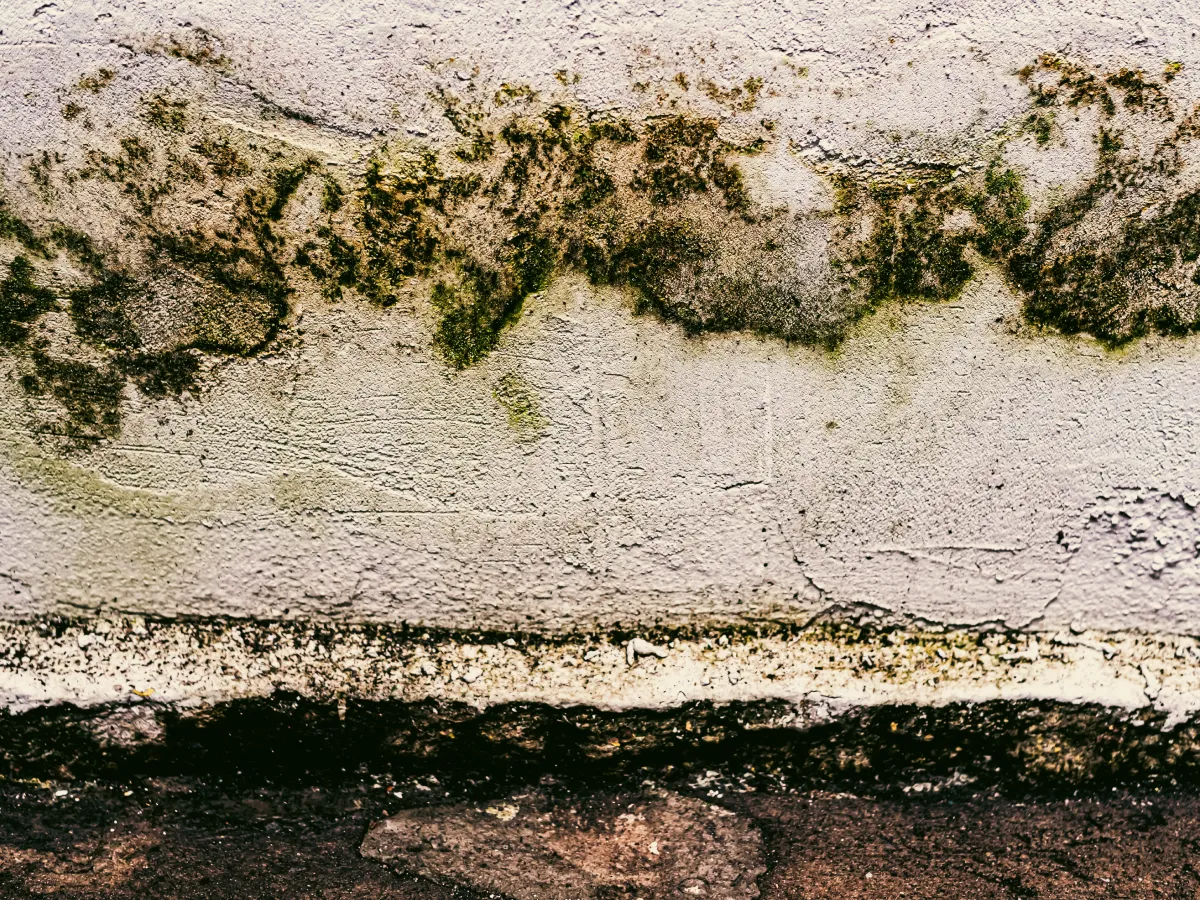
Catching moisture problems early can save you thousands in structural repairs and prevent dangerous mold growth. Many homeowners miss the subtle indicators that appear weeks or even months before visible flooding occurs. Discoloration on ceilings or walls often starts as faint yellow or brown patches that gradually expand. Paint may begin to bubble or peel in areas where moisture has penetrated the surface. Baseboards can warp or pull away from walls, and you might notice soft spots when pressing on drywall. A persistent musty odor, especially in basements, crawl spaces, or bathrooms, signals ongoing moisture intrusion even when no standing water is present. In Western Washington, where autumn and winter rains saturate soil around foundations, exterior moisture can seep through basement walls or cracks in concrete. Pay attention to unexplained spikes in your water bill, which may indicate a hidden leak within your plumbing system. If you hear the sound of running water when all fixtures are off, or if your water meter continues moving during periods of no use, you likely have an active leak that requires immediate attention. Floors that feel spongy underfoot or tiles that have become loose suggest subfloor saturation. Window frames with condensation buildup or visible water trails down interior walls point to either exterior intrusion or poor ventilation combined with high indoor humidity. Addressing these early indicators prevents minor issues from escalating into major structural damage that compromises your home’s integrity and safety.
Common Sources of Household Moisture Problems
Understanding where moisture enters your home helps you prioritize inspections and preventive maintenance. Plumbing failures rank among the most frequent culprits, including burst pipes during cold snaps, leaking supply lines under sinks, and failing water heater connections. Washing machine hoses, refrigerator ice maker lines, and dishwasher connections can deteriorate over time, releasing water slowly or failing catastrophically. Roof leaks develop from damaged shingles, compromised flashing around chimneys and vents, or clogged gutters that cause water to back up under roofing materials. In areas with heavy seasonal rainfall, gutters and downspouts that direct water too close to the foundation contribute to basement seepage and crawl space flooding. HVAC systems produce condensation that, if not properly drained, can saturate insulation, ceiling materials, and ductwork. Improperly vented bathroom exhaust fans push humid air into attic spaces where it condenses on cold surfaces during winter months. Foundation cracks, whether from settling or seismic activity, allow groundwater to penetrate basement walls and floors. Poorly sealed windows and doors permit rain intrusion, especially during wind-driven storms. Slab leaks, which occur when pipes embedded in concrete foundations develop leaks, are particularly challenging because they remain hidden until significant damage appears. Sewer backups and septic system failures introduce contaminated water that poses serious health risks and requires specialized remediation. Appliance malfunctions, such as a clogged AC drain pan or a leaking hot water tank, can release gallons of water before anyone notices. Identifying these common sources allows you to conduct targeted inspections and take preventive action before minor problems turn into emergency situations requiring extensive restoration work.
Step-by-Step Assessment Process
A thorough assessment begins the moment you discover or suspect moisture intrusion. Start by documenting everything with photographs and written notes, including dates and times, which will be crucial for insurance claims and contractor consultations. Identify the source of the moisture, whether it is an active leak, a past event, or ongoing seepage. Turn off the water supply if the source is plumbing-related to prevent additional saturation. Remove standing water using pumps, wet vacuums, or towels, depending on the volume involved. Pull back carpets and padding to expose subfloors, and move furniture and belongings away from wet areas to prevent further damage and allow air circulation. Check adjacent rooms and floors above and below the affected area, as moisture travels through wall cavities, ceiling spaces, and floor systems. Use a flashlight to inspect dark corners, closets, and utility spaces where moisture often migrates unnoticed. Press on walls, floors, and ceilings to detect soft spots that indicate saturation behind surfaces. If you have access to a moisture meter, take readings in multiple locations to map the extent of the problem. Pay special attention to areas with poor ventilation, such as bathrooms, laundry rooms, and basements, where humidity can linger and promote mold growth. Inspect HVAC ducts, insulation, and crawl spaces if accessible, as these often harbor hidden moisture that conventional inspections miss. Look for secondary indicators like rust on metal fixtures, swelling in wooden door frames, or efflorescence on concrete surfaces, which appears as white, powdery deposits left by evaporating water. If the affected area is large, involves structural components, or shows signs of mold growth, contact a licensed restoration professional who can conduct a comprehensive evaluation using thermal imaging cameras and industrial-grade moisture detection equipment. A professional assessment ensures that all affected materials are identified, the full scope of damage is understood, and the appropriate remediation strategy is developed to restore your home safely and completely.
Effective Drying and Dehumidification Techniques
Proper drying is essential to prevent mold colonization, which can begin within 24 to 48 hours of moisture exposure. Increase air circulation by opening windows and doors when outdoor humidity is lower than indoor levels, which is common during dry summer days but less effective during rainy Pacific Northwest winters. Position fans strategically to move air across wet surfaces, directing airflow toward windows or exhaust points. Use dehumidifiers to extract moisture from the air, emptying collection tanks frequently or connecting them to continuous drainage systems. For minor incidents affecting small areas, household fans and portable dehumidifiers may suffice, but significant water intrusion requires industrial equipment capable of processing large volumes of air and moisture. Remove wet insulation, carpeting, and padding that cannot be adequately dried within 48 hours, as these materials trap moisture and promote microbial growth. Pull baseboards to allow air circulation behind walls and facilitate drying of wall cavities. In some cases, drilling small holes in drywall at floor level helps ventilate stud spaces without requiring full wall removal. Monitor moisture levels daily using a moisture meter, taking readings in the same locations to track drying progress. Materials should reach moisture content levels consistent with surrounding unaffected areas before reconstruction begins. Pay particular attention to wood framing, subfloors, and structural components, as these require thorough drying to prevent rot and long-term weakness. Avoid closing up walls, replacing flooring, or applying new finishes until verified dry, as trapping residual moisture leads to recurring problems and potentially hazardous mold conditions. Professional restoration companies use thermal imaging to verify that hidden moisture has been eliminated from wall cavities, insulation spaces, and structural members. This technology detects temperature differences caused by evaporating moisture, ensuring no wet pockets remain concealed behind surfaces. Proper drying not only prevents immediate mold issues but also protects your home’s structural integrity and maintains indoor air quality for your family’s health and safety.
Professional Restoration and When to Call for Help
While small spills and minor surface moisture can often be managed with quick cleanup and household equipment, significant moisture events require professional intervention to ensure complete remediation and code-compliant repairs. Call a licensed restoration contractor immediately if you encounter standing water covering large areas, saturation affecting structural components like floor joists or wall framing, or any situation involving contaminated water from sewage backups or flooding. Professional teams have access to industrial extraction equipment, high-capacity dehumidifiers, air movers, and antimicrobial treatments that far exceed consumer-grade tools. They conduct thorough moisture mapping using infrared cameras and calibrated meters to identify all affected materials, including those hidden behind finished surfaces. Licensed contractors understand local building codes and permitting requirements, ensuring that all repair work meets jurisdictional standards and passes inspection. This is particularly important in Western Washington, where strict moisture management regulations aim to prevent mold issues in our humid climate. Professional documentation of the damage, remediation process, and verification of dryness provides essential support for insurance claims, protecting you from disputes or underpayment. Restoration companies coordinate with insurance adjusters, provide detailed estimates, and handle claims paperwork, reducing your stress during an already difficult time. If mold is visible or suspected, professional remediation following IICRC S520 standards is critical to protect your family’s health and prevent cross-contamination to unaffected areas. Structural repairs, including foundation work, framing replacement, and subfloor reconstruction, require skilled carpentry and engineering knowledge to restore your home’s integrity safely. At our restoration company, we bring decades of construction experience and a commitment to transparent communication to every project. Whether addressing storm damage, plumbing failures, or chronic moisture problems, we work within your budget and timeline, following all local codes and industry best practices. Our family-owned team understands how stressful property damage can be, and we guide you through each step of the restoration process with clear explanations and reliable craftsmanship. From emergency water extraction to complete reconstruction, we ensure your home is safe, dry, and restored to its pre-loss condition, giving you confidence that the work is done right the first time. Trust our licensed professionals to handle your restoration needs with the skill, integrity, and attention to detail that your home and family deserve.
